
“But that’s not the color I saw on my screen!”
It’s a question we hear regularly in the world of corporate apparel and promotional items. Whether it’s a t-shirt, a cap, a mug, or another custom product, clients sometimes notice a difference between the colors they saw on their screen and those of the product they receive.
Before concluding that it’s an error, it’s important to understand that colors are influenced by several factors. From the screen on which you view your logo to the printing process used to reproduce it, each step can have an impact on the final result.
Every Screen Displays Colors Differently
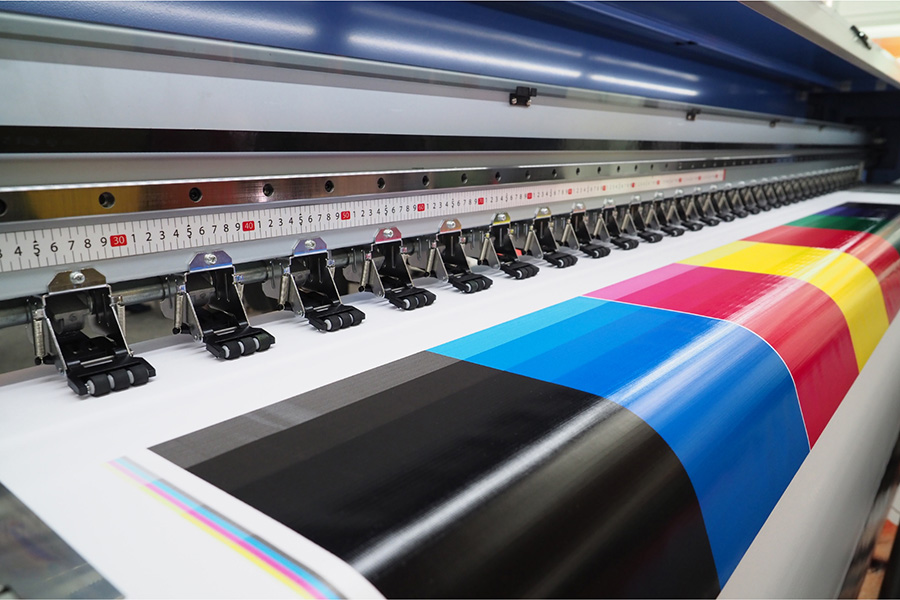
Today, we view our files on smartphones, tablets, laptops, and desktop monitors of all qualities. Each device has its own characteristics and settings; even two screens of the same model can display a different result.
Brightness, contrast, color saturation, and even the age of the screen can alter the appearance of an image. A logo displayed on a recent phone may look much more vibrant than when displayed on an older computer.
The environment in which we look at the screen also influences our perception. An image viewed in a brightly lit office will not look exactly the same as in a darker room.
A Screen Uses Light, Printing Uses Ink
Even if your screen displays your logo perfectly, that doesn’t mean that color can be reproduced identically during printing.
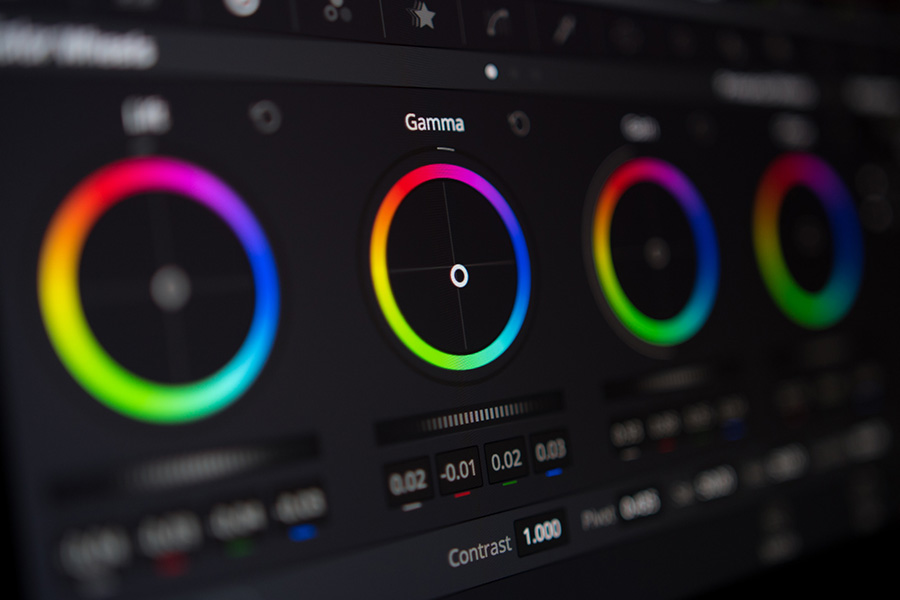
Screens create colors through light using a system called RGB (Red, Green, Blue). This process produces very bright and vibrant colors.
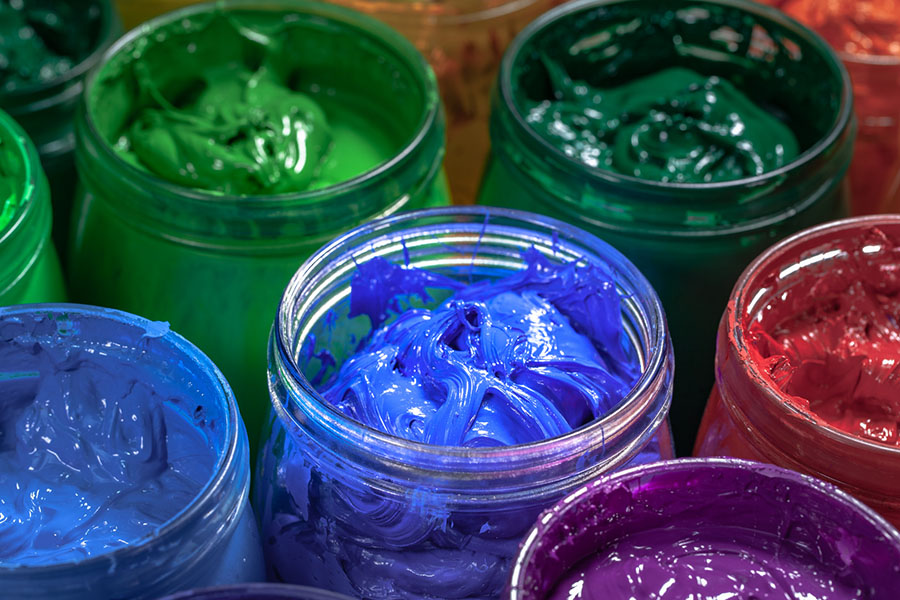
Printing works differently. Whether on a garment, a promotional item, or a printed document, colors are reproduced using inks deposited onto a physical surface.
Certain particularly vibrant colors visible on screen — including some highly saturated blues, greens, or pinks — can therefore be difficult to reproduce exactly with ink.
Not All Printers Produce the Same Result
Just like screens, printers have their own characteristics.
A desktop printer, a professional digital press, or specialized equipment for textile printing do not use the same technologies or the same inks.
Even when two pieces of equipment use the same file, the result can vary depending on the process used.
For example, a color reproduced through screen printing will not necessarily look exactly the same as a color printed using DTF. Similarly, some promotional items are manufactured using processes that offer different reproduction capabilities than those used for textile.
The materials themselves also influence the result. A color printed on a white t-shirt will not behave the same way as on a black t-shirt. The texture of the fabric, the composition of the material, and even certain environmental conditions — such as humidity or temperature — can have an impact on the final output.
The Role of Pantone Colors
When color accuracy matters, the industry often uses the Pantone system. At Groupe Synapse and among our suppliers, we use the “Pantone Solid Coated” guide.
Each Pantone color corresponds to a precise reference that helps achieve better consistency from one production run to the next. For companies looking to protect their brand image, it is a particularly useful tool.
However, it is important to understand that a Pantone color will not necessarily appear exactly as it does on your screen. Pantone guides are designed using real inks, while screens display colors generated by light.
Moreover, depending on the process used, it is not always possible to reproduce a Pantone color in a perfectly identical way. Some processes, such as screen printing, allow for a closer match than others, but slight variations remain normal.
Key Takeaways
Color differences between a screen and a printed product are entirely normal. They can be influenced by the device used to view the file, the printing technology, the material chosen, the production conditions, and even our own visual perception.
At Groupe Synapse, we work with specialized equipment and rigorous quality controls to achieve the most faithful reproduction possible. Our goal is always the same: to deliver a product that represents your brand image at the highest possible level of quality.