
Promotional products are everywhere — from trade shows to onboarding kits to corporate events. But not all branded merchandise delivers real results.
If you want to maximize ROI on promotional products, you need more than just a logo on a giveaway item. You need strategy, targeting, and execution.
Here’s how businesses in Montréal and across Canada can turn promotional products into measurable marketing assets.

1. Start With a Clear Objective
Before choosing any product, ask:
- Are we generating leads?
- Strengthening client relationships?
- Increasing brand awareness?
- Supporting a recruitment campaign?
- Boosting employee engagement?
Promotional products should support a business goal — not just fill a swag bag.
For example:
- Trade show → Lead generation
- Employee onboarding → Culture & retention
- Client gifts → Loyalty & upselling
No objective = no measurable ROI.
2. Know Your Audience
The best promotional product is one your audience will actually use.
A tech startup audience may value:
- Branded power banks
- Premium hoodies
- Laptop accessories
A construction company might prefer:
- High-quality safety apparel
- Durable workwear
- Insulated drinkware
Relevance increases usage.
Usage increases impressions.
Impressions increase ROI.


3. Prioritize Quality Over Quantity
Cheap products often end up in the trash.
A $3 item thrown away delivers zero ROI.
A $25 premium item used weekly delivers long-term brand exposure.
Higher perceived value = longer product lifespan = better cost per impression.
4. Choose the Right Branding Method
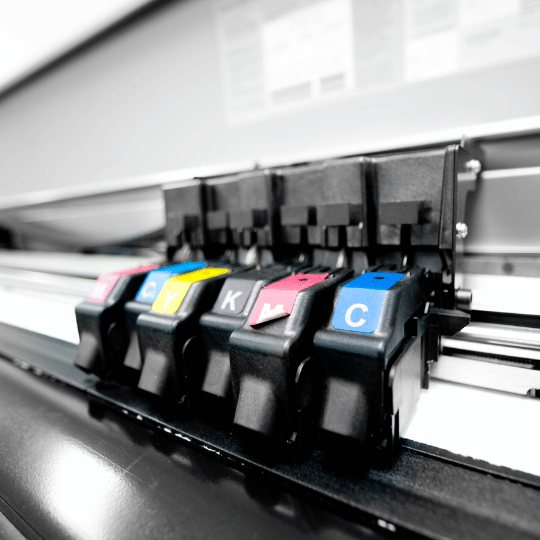
Embroidery, screen printing, heat transfer — your branding method impacts durability and perception.
For corporate apparel especially, using a proper vector logo ensures:
- Clean reproduction
- Professional appearance
- Brand consistency
- Long-term durability
Poor print quality damages brand credibility and reduces ROI.

5. Align With Brand Positioning
Your promotional product should reflect your company’s market position.
If you position yourself as premium, your merchandise must feel premium.
If sustainability is part of your brand values, consider eco-friendly materials.
In cities like Montréal, sustainable promotional products are increasingly influencing purchasing decisions.
Brand alignment strengthens trust — and trust drives ROI.
6. Integrate Promotional Products Into Campaigns
The biggest mistake businesses make?
Treating promotional products as standalone purchases.
Instead, integrate them into broader campaigns:
- QR codes printed on merchandise
- Landing pages linked to giveaways
- Follow-up emails referencing event swag
- Social media contests tied to branded items
Promotional products should amplify marketing — not replace it.


7. Track Performance
Yes, you can track ROI on promotional products.
Ways to measure impact:
- Unique promo codes
- Custom landing pages
- Event lead tracking
- Client retention rates
- Employee engagement surveys
When promotional products are tied to measurable outcomes, ROI becomes visible.
8. Plan Ahead for Production & Distribution
Rush orders often increase costs and limit options.
Strategic planning allows you to:
- Select higher-quality items
- Optimize branding methods
- Reduce shipping expenses
- Ensure timely delivery
Efficiency improves margin — and ROI.


9. Build Long-Term Relationships With a Strategic Partner
Maximizing ROI isn’t about one order.
It’s about consistency and long-term planning.
Working with an experienced promotional products partner ensures:
- Better supplier relationships
- Smarter product recommendations
- Fewer production errors
- Streamlined ordering processes
After 30 years serving businesses in Montreal and beyond, Groupe Synapse understands that promotional success is built on strategy — not just merchandise.
Final Thoughts
Promotional products can generate exceptional ROI when they are:
- Strategic
- High-quality
- Audience-focused
- Integrated into marketing efforts
- Measurable
When used correctly, they become long-term brand assets — not expenses.
If you’re looking to maximize ROI on promotional products, start with a clear plan and a partner who understands your business goals.